
EMI3News & insightPractice
Writing a procedure a technician will actually follow
One instruction per step, one action per instruction, and no word doing two jobs. What Simplified Technical English changes about maintenance documentation.
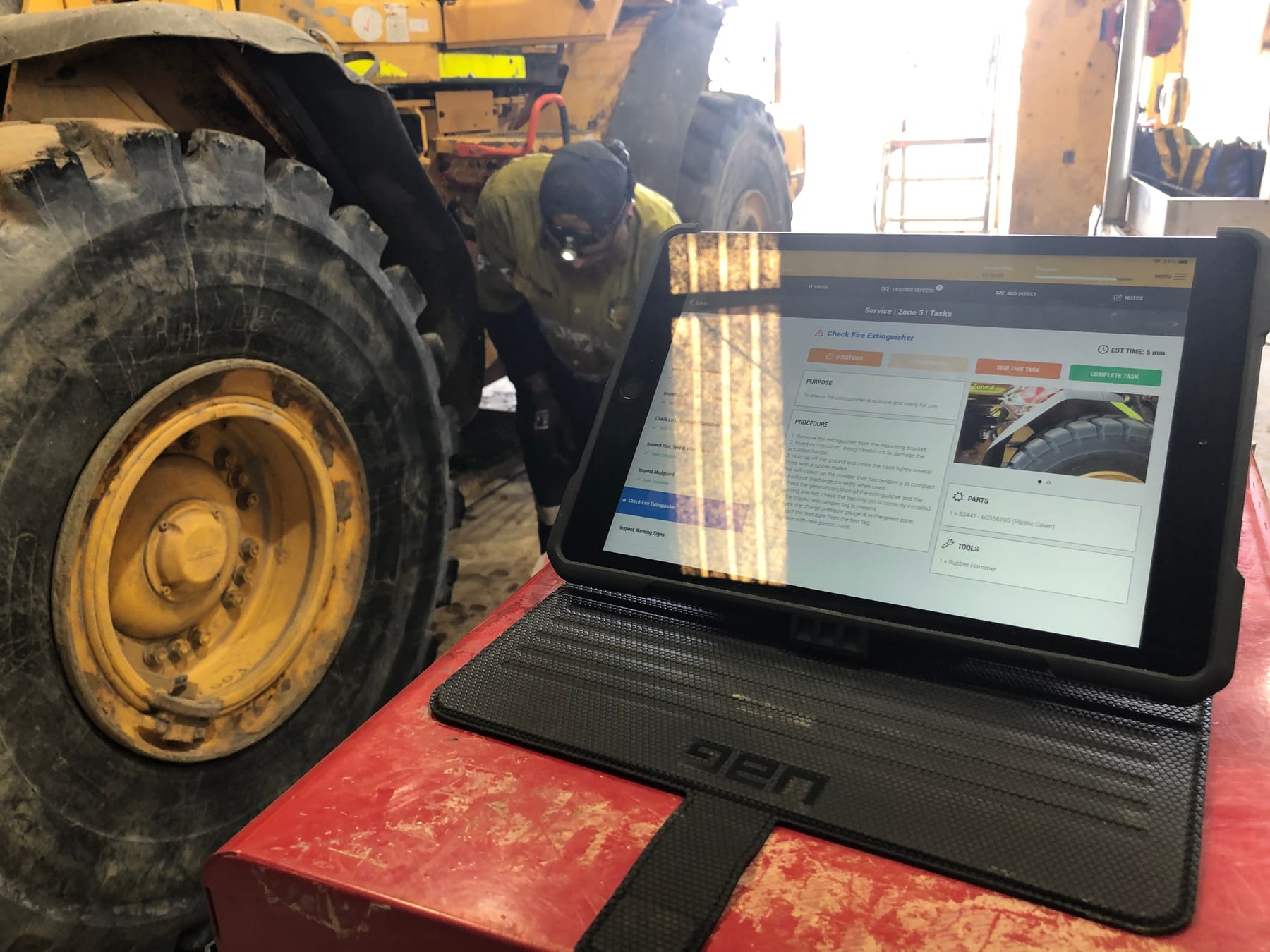
A procedure is not a description. It is an instruction issued to someone who is standing in front of a machine, often in poor light, frequently in a second language, and always under time pressure. Almost every failure of maintenance documentation traces back to forgetting that.
The rules that carry most of the weight
- One action per step. If a step contains “and”, it is usually two steps.
- Active voice, imperative mood. “Remove the extinguisher”, not “the extinguisher should be removed”.
- One word, one meaning. If “check” sometimes means inspect and sometimes means verify, it means neither.
- Short sentences. Twenty words is a long instruction. Most should be under twelve.
- Say the condition first. “If the gauge is not in the green zone, replace the extinguisher” puts the test before the action.
If the reader has to decide what you meant, the procedure has already failed.
These are the bones of ASD-STE100, a controlled-language standard written for aerospace maintenance and applicable almost unchanged to heavy industry. Its value is not elegance. Its value is that it removes the space in which two competent people can read the same sentence and do different things.
It matters more, not less, when the workforce is multilingual, and it makes translation dramatically cheaper, because unambiguous source text is the only text that survives translation intact.
Was this useful?
We read every response. It decides what we write next.
We will not add you to a mailing list.
Keep reading
Product
Inside the limits, and still going wrong
A condition monitoring question captures a number and a photograph. The platform trends it across the fleet, watches the rate of change, and raises an alert while the reading is still comfortably inside its limits.
4 September 2026 · 7 min read
Insight
Your CMMS is not the execution layer
Enterprise systems hold the asset record. Planning systems schedule the work. Neither of them sees the work being performed, and that gap is not a reporting problem to be fixed with another dashboard.
12 August 2026 · 8 min read
Insight
Chaos, constrained: why maintenance behaves like a complex system
Small deviations at the start of a shift produce very large differences by the end of it. You cannot remove that sensitivity, but you can bound it, the way aviation and surgical systems do.
29 July 2026 · 6 min read